
English| EUR
Suggested for you
More currencies
Choose a language
Greenwich Village has shaped New York's food culture for over a century, from coal-oven pizzerias and Italian pastry counters to corner bagel shops and hidden trattorias. This guide maps the neighborhood's essential dishes and the places that serve them, so you know exactly where to go and what to order.
Quick answer
Greenwich Village offers coal-oven pizza, Italian pastries from century-old bakeries, hand-rolled bagels, and classic red-sauce Italian dishes served in family-run trattorias. The neighborhood is open daily from midnight to midnight, with the best arrival window between 11:00 AM and 8:00 PM to experience the full range of cafes, bakeries, and restaurants without peak-hour waits.
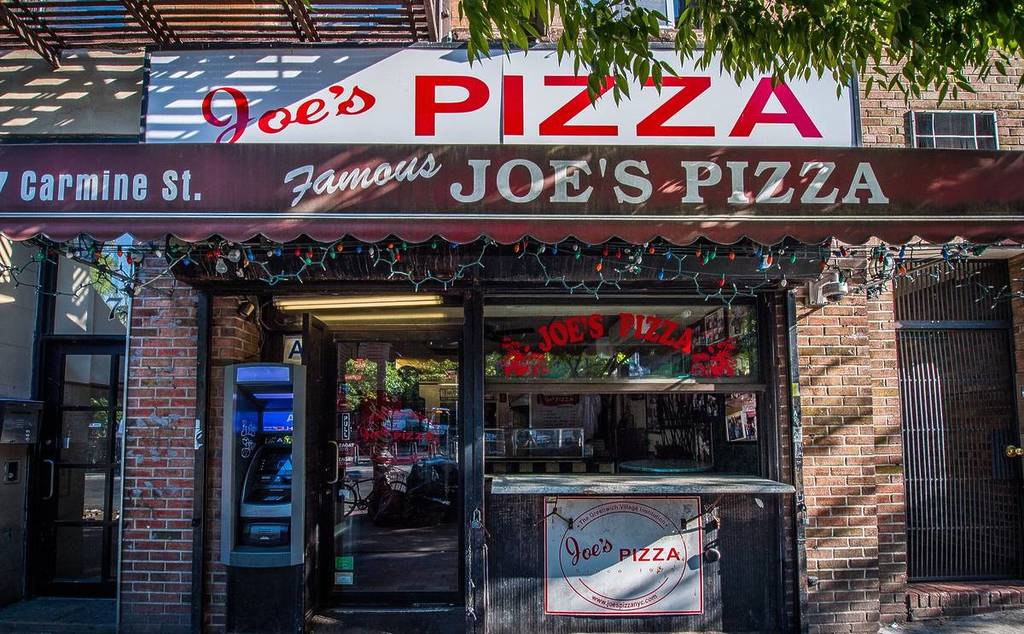
Greenwich Village sits on a grid that predates Manhattan's numbered streets, and its food culture reflects the same refusal to conform. The neighborhood became home to waves of Italian immigrants in the early twentieth century, and their bakeries, butcher shops, and coal-oven pizzerias still anchor Bleecker Street and surrounding blocks. Those ovens—some in continuous operation since the 1920s—produce a crust that balances char and chew in a way gas ovens cannot replicate. When considering what to eat in Greenwich Village, start with the carbohydrates. Coal-fired pizza remains the neighborhood's most copied export, thin-crusted and blistered, typically dressed with San Marzano tomatoes and low-moisture mozzarella. Italian bakeries offer sfogliatelle, biscotti, and cannoli filled to order, their shells fried until they shatter. Jewish delis and bagel shops occupy the northern edge of the Village, hand-rolling dough and boiling it before baking—a process that yields a dense, chewy interior and a shiny crust. Red-sauce Italian restaurants, many occupying the same storefronts for decades, serve dishes that have become synonymous with Italian-American cuisine: linguine with clam sauce, chicken parmigiana, veal saltimbocca. These menus have remained largely unchanged since the 1950s, not out of nostalgia but because the recipes work. The neighborhood also supports a newer generation of trattorias and wine bars, but the older establishments still draw lines during weekend dinner service. Coffee culture in the Village predates the current wave of third-wave roasters. Espresso bars with marble counters and standing-room-only service have operated here since the mid-twentieth century, and they remain the preferred alternative to grab-and-go chains. Many serve pastries from the bakeries two blocks over, maintaining a supply chain that has functioned for decades. The rhythm of the neighborhood's food scene follows the rhythm of its residents: breakfast and lunch traffic peaks between eleven and two, dinner service begins at six, and late-night slices remain available past midnight.
“Those ovens—some in continuous operation since the 1920s—produce a crust that balances char and chew in a way gas ovens cannot replicate.”
Greenwich Village's culinary identity took root in the 1910s and 1920s when Italian immigrants settled south of Washington Square, opening red-sauce trattorias and bakeries that fed both newcomers and the artists drawn to cheap rents. By 1916, Caffè Reggio had opened on MacDougal Street, serving espresso decades before coffee culture spread nationwide. The neighborhood's bohemian reputation attracted writers and jazz musicians who gathered in basement clubs and all-night diners, creating a social fabric where food and conversation intertwined. In the 1950s, the Beat Generation made coffeehouses like the Gaslight Café cultural anchors, while family-run Italian joints like John's of Bleecker Street—opened in 1929—became neighborhood institutions. The Stonewall Uprising of 1969 on Christopher Street marked a turning point not only for civil rights but for the Village's openness to unconventional businesses and experimental dining. Through the 1970s and 1980s, rents rose but legacy restaurants persisted, and new waves of chefs began layering global flavors onto the Italian base. The artisanal food movement of the early 2000s found fertile ground here, with small producers and farm-to-table advocates opening storefronts that echoed the neighborhood's countercultural roots. Today, visitors deciding what to eat in Greenwich Village encounter layers of this history: century-old pizzerias stand beside natural wine bars, and the same crooked streets that once fed bohemians now offer everything from Sicilian cannoli to Japanese ramen. The physical evidence remains visible. Original tin ceilings still cap many MacDougal and Bleecker Street restaurants, and hand-painted signs from the 1930s survive above doorways. The compact, walkable grid that made the Village a refuge from Manhattan's rigid planning now allows food explorers to move easily between eras, tasting red sauce in one block and modern small plates in the next.
Italian immigrants settle below Washington Square, opening trattorias and bakeries that anchor the neighborhood's food culture
Caffè Reggio opens on MacDougal Street, introducing espresso to a generation of bohemian artists and writers
John's of Bleecker Street begins serving coal-oven pizza, becoming a multi-generational Village institution
Beat Generation poets and musicians make coffeehouses like the Gaslight Café into cultural meeting points
The Stonewall Uprising on Christopher Street reshapes the Village's social openness and business landscape
The artisanal food movement takes hold, with farm-to-table restaurants and small producers opening alongside legacy Italian spots
To experience the local food scene with the most ease, plan your visit during the optimal arrival window of 11:00–20:00. This timeframe allows you to access the variety of restaurants and cafes while avoiding the densest peak crowds.
Mild temperatures of 55°F–70°F
The temperate weather makes walking between food stops comfortable. Outdoor dining options are most pleasant during these months.
Warm temperatures of 75°F–85°F
Expect longer wait times at popular spots. Early arrivals within the daily window help secure seating.
Cool temperatures of 60°F–75°F
Crisp air complements neighborhood food tours. This is a popular season for walking, so mid-week visits are recommended.
—
Visiting between 11:00 and 13:00 provides the quietest atmosphere. You will encounter shorter lines at cafes and food counters.
Verdict: The best time to visit is Tuesday to Thursday between 11:00 and 20:00 during the months of April or October.
Greenwich Village is open to visitors daily throughout the week. You may explore the neighborhood and its dining establishments at your convenience.
Everything you need to know about what to eat in greenwich village
When considering what to eat in Greenwich Village, iconic staples include thin-crust pizza, classic New York bagels, and historic Italian pastries. Sampling these local flavors provides a deep dive into the culinary heritage of the streets. You can explore these establishments on your own or join a curated Greenwich Village food tour to learn more about the history behind the recipes.
The neighborhood features a diverse range of price points, from affordable quick bites to upscale dining experiences. Entry to the neighborhood itself is 0 USD, meaning you can walk the historic streets and window shop for snacks at no cost. Budgeting depends entirely on your personal dining preferences and specific cravings.
The best arrival window is 11:00–20:00, as this period offers the greatest variety of open restaurants and cafes. Visiting during these hours helps you avoid the most significant peak crowds while ensuring most kitchens are active. This schedule allows for a relaxed pace while moving between different local eateries.
Many cafes and pizzerias in the area are welcoming to families and offer simple, high-quality menus that appeal to younger palates. Since the neighborhood is pedestrian-friendly, it is easy to navigate with children while searching for a quick meal. You will find plenty of casual spots that accommodate groups of various sizes throughout the day.
To discover authentic flavors, look for long-standing establishments that specialize in traditional methods like coal-oven baking or artisanal gelato production. Engaging with a Greenwich Village culinary walk can also provide guided access to these historic spots. These tours often highlight hidden gems that a casual observer might otherwise overlook.
A common mistake is trying to visit too many locations without a plan, which can lead to unnecessary walking and longer wait times. We recommend researching specific food landmarks beforehand to make the most of your visit. Checking the neighborhood arrival window ensures you spend more time enjoying your meal and less time navigating through dense crowds.